
The purpose behind the projectMission & Story
A ship built to explore, experiment, and inspire.
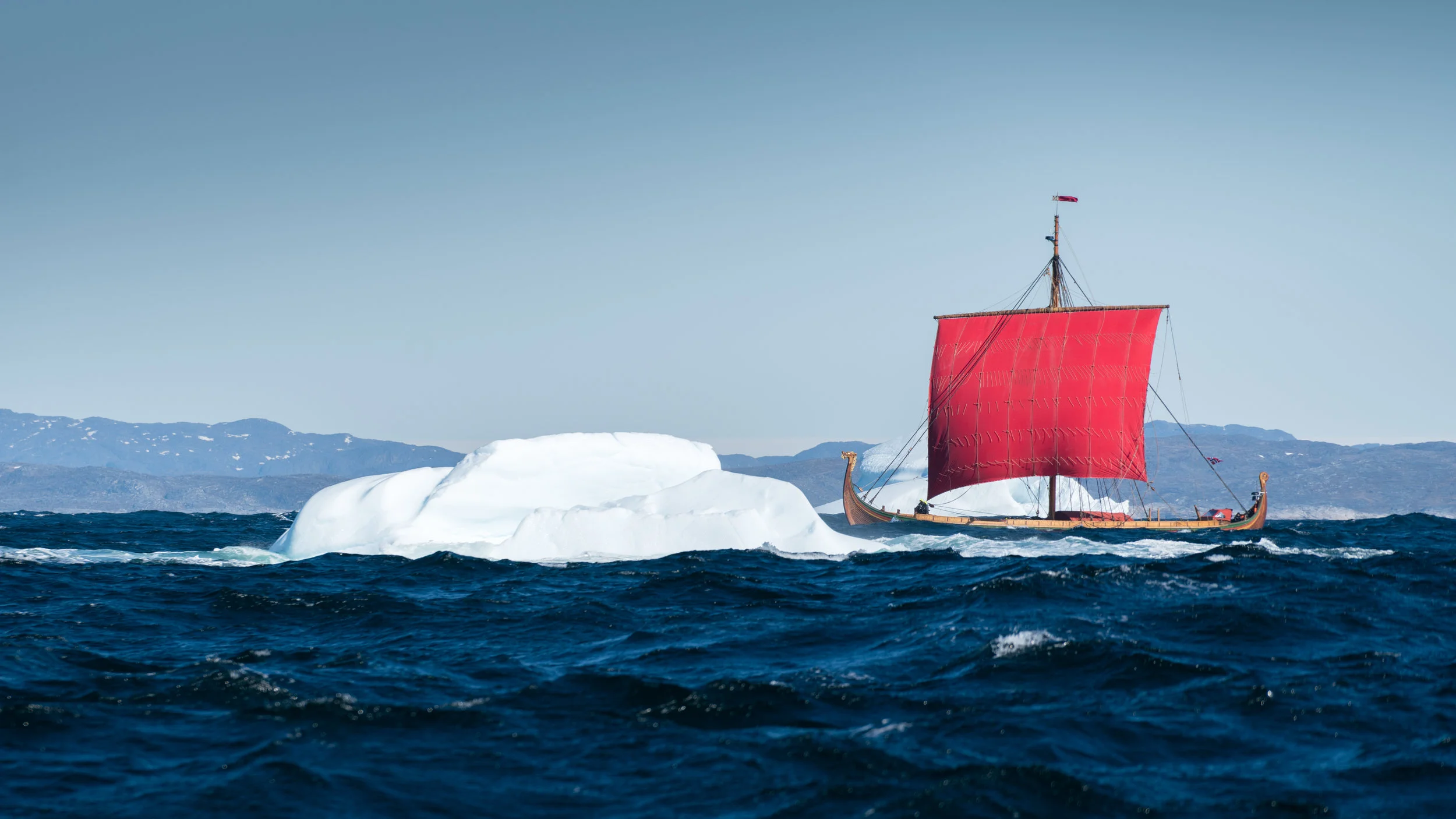
Draken Harald Hårfagre is the world's largest Viking ship sailing in modern times — a remarkable achievement in traditional shipbuilding and a pioneering project in experimental archaeology.
Built to explore what the great ships of the Viking Age were capable of, Draken keeps maritime heritage alive through real ocean voyages, traditional seamanship, education and international collaboration.
More than a reconstruction of the past, Draken is a working ship that continues to challenge our understanding of Viking maritime technology while inspiring new generations to explore history, craftsmanship and the sea.
The MissionDraken Harald Hårfagre exists to explore what the great ships of the Viking Age were capable of — and to preserve and pass on traditional maritime knowledge by putting it into practice.
Through experimental archaeology, traditional craftsmanship and real ocean voyages, Draken puts historical ideas to the test under actual sailing conditions. The ship is not simply a reminder of the past, but a working platform for discovery, where we continue to explore the capabilities of Viking Age shipbuilding and seamanship.
By bringing together international crews, volunteers, researchers and the public, and sharing our experiences through expeditions, education and storytelling, we aim to deepen our understanding of maritime history, inspire new generations and carry the spirit of exploration into the future.
The StoryThe building of Draken Harald Hårfagre began in 2008, initiated by Norwegian entrepreneur Sigurd Aase. What began as an ambitious shipbuilding vision gradually developed into something larger: a project shaped not only by the vessel itself, but by the questions it could help answer and the experiences it could make possible.
Part of the original ambition was to build a ship capable of following in the wake of Viking-age exploration westward across the North Atlantic. That founding idea helped shape Draken not simply as a cultural symbol, but as a vessel intended for real testing and real ocean voyaging.
Inspired by Viking-age ambition, seafaring, and craftsmanship, Draken was built not simply to represent the past, but to engage with it in a living and practical way. The aim was not only to create a striking ship, but to better understand what such vessels were capable of, what they demanded of the people who sailed them, and what they still have to teach us today.
A defining milestone came in 2016, when Draken crossed the North Atlantic. That voyage demonstrated that the project was far more than a remarkable shipbuilding achievement. It proved that Draken could carry the spirit of exploration into the modern world through real endurance, real seamanship, and real ocean voyaging. Explore the full story of Expedition America 2016.
The international community also recognized the significance of this achievement. In 2016, the crew and builders of Draken Harald Hårfagre received the Leif Erikson Exploration History Award in Iceland for their expedition retracing the first trans-Atlantic crossing and the Viking discovery of the New World.
Since then, the project has continued to evolve through expeditions, public engagement, education, media, and new forms of collaboration. Today, Draken stands not only as a ship with an extraordinary history, but as a living platform carried forward by crew, volunteers, collaborators, and partners.
Preserving Heritage Through ActionDraken's impact extends far beyond the construction of an extraordinary Viking ship. Since her launch, she has become an international platform for experimental archaeology, cultural education and the preservation of traditional maritime skills.
Through international expeditions, volunteers and professional crews, the project continues to preserve and develop practical knowledge of traditional shipbuilding, sailing and seamanship.
Thousands of visitors have stepped aboard Draken during public exhibitions and guided tours. In Oslo alone, nearly 3,000 people participated in guided tours during the summer of 2026.
Educational collaborations have also connected the ship with thousands of students and viewers, allowing them to explore Viking history, maritime technology, and ocean exploration.
In 2025, Draken participated in Christopher Nolan's The Odyssey, introducing the ship and its maritime heritage to an even wider international audience.
Together, these activities demonstrate how cultural heritage can remain relevant through active use, education, and public participation.
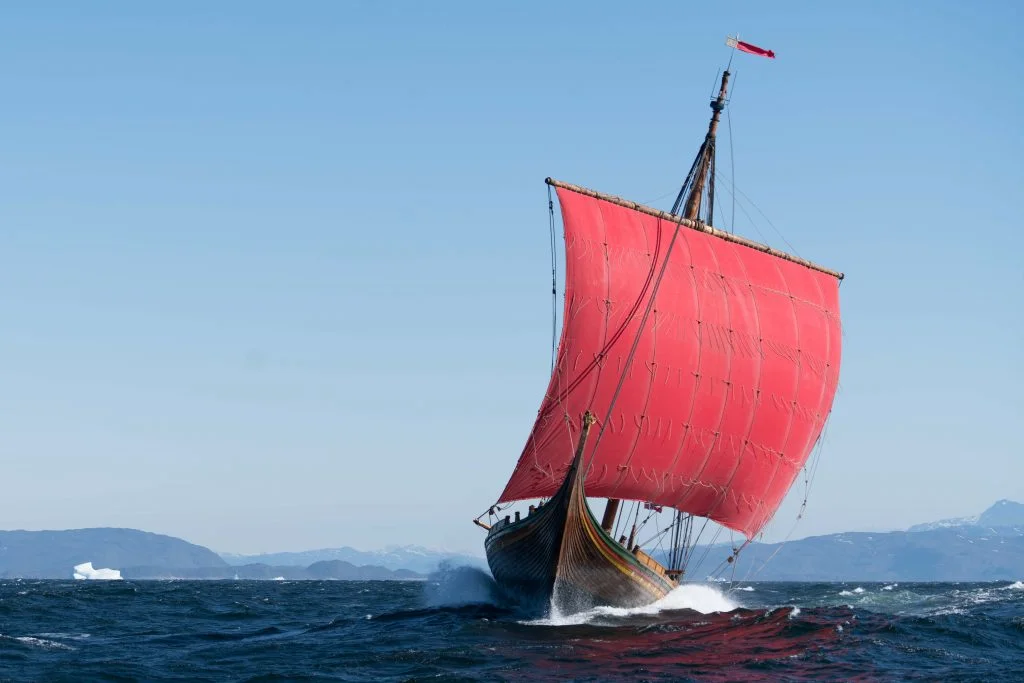
Why Draken MattersDraken matters because it offers something rare: authenticity at full scale. In an age of simulations and digital experiences, the ship creates direct encounters with maritime history, the forces of nature, and the challenges of working together at sea.
The great Viking ships were among the most sophisticated maritime technologies of their time. They represented extraordinary achievements in engineering, innovation, and human ingenuity. Through Draken, we explore the knowledge and problem-solving behind these remarkable vessels, connecting the pioneering spirit of Viking Age shipbuilders with the curiosity, ambition and willingness to push boundaries that continue to drive innovation and exploration today.
For some, Draken is a cultural and historical project. For others, it is a platform for education, storytelling, events, media, or sail training. What unites these different dimensions is the belief that meaningful understanding comes not only from observing, but from experiencing, experimenting, and doing.
Draken also reminds us that exploration is about more than reaching a destination. It requires courage, collaboration, discipline, and a willingness to venture into the unknown. These qualities transcend time, connecting the achievements of the past with the possibilities of the future.